What Should I Know About the "Super Flu" Hitting NYC in 2026?
If you are seeing an abnormally large number of individuals calling into work this month, you likely have witnessed the effects of what health professionals refer to as the "super flu." Unlike other common flu seasons, New York City is currently dealing with one of the worst respiratory illnesses of the past few decades; it is caused by a mutated strain of influenza A H3N2 subclade K, which is surprising to both medical professionals and the public.
Characteristics of Influenza A H3N2 Subclade K
Influenza A H3N2 subclade K is commonly referred to as the "super flu." It contains seven new mutations and originated in Europe last June. Because the World Health Organization (WHO), in collaboration with various global health organizations, had already selected the strains for the 2025-2026 Northern Hemisphere flu vaccine months prior to the emergence of the subclade K strain, the current year's flu vaccine was not designed to fight subclade K.
According to the Centers for Disease Control (CDC), subclade K now accounts for roughly 90 percent of the flu cases being reported throughout the United States. New York State experienced the largest number of flu-related hospitalizations in its history of tracking such data in a single week; during the week ending on December 27, 2025, there were over 4,546 flu-related hospitalizations. For comparison, there were over 1,000 more hospitalizations due to the flu in New York State during the week ending on December 27 compared to the previous week alone (New York State Department of Health).
The Unusual Nature of This Year's Flu Season
This year's flu season is being described as highly unusual, primarily due to both the severity of the flu and its rapid development. According to Dr. Michael Phillips, Director of the Division of Infectious Diseases at NYU Grossman School of Medicine, the current flu season has been severe and has developed rapidly. It is uncommon for flu cases to develop at a rate like that of this year's flu season. Typically, flu cases begin developing slowly over a period of several weeks, while this year's flu season began increasing sharply around the holiday season.
This year's flu season is already exceeding the 2024-2025 flu epidemic, which was a high-severity flu season by the CDC. The occurrence of two consecutive high-severity flu seasons is a rare event, and the current situation is of particular concern for public health officials. Through mid-January, over 136,000 positive flu cases have been reported in New York City alone, with over half of these cases affecting children under 18 years old (NYC Health Department).
The Gastrointestinal Symptoms Associated with the Super Flu
Like other strains of the flu, the super flu causes the typical symptoms associated with the flu; however, many people affected by this year's flu are initially reporting gastrointestinal symptoms, followed by the typical flu symptoms, including fever, body aches, chills, and cough. Some people report having gastrointestinal symptoms for a longer time than others. Body aches and fever usually follow the gastrointestinal symptoms, and cough and shortness of breath appear later in the progression of the disease.
According to Dr. Angela Branche from UR Medicine, the reason for the widespread use of the term "super flu" is the unusual combination of severe symptoms and the sudden surge in flu cases. Although the term "super flu" does not indicate that there is a new or separate flu virus, the fact that the virus is spreading quickly and causing more severe symptoms than expected, creates an impression that it is a new virus.
Effectiveness of Current Vaccines Against the Super Flu
Unfortunately, one of the most frustrating aspects of this flu season is the lower-than-expected effectiveness of the current vaccines against the subclade K strain of the super flu. Due to the mutations in the subclade K strain, it is easier for the virus to escape the immunity provided by this year's flu vaccine than previously expected. Despite this fact, all medical experts emphasize the importance of receiving vaccinations.
According to Dr. Nehal Galal from NewYork-Presbyterian/Columbia, while vaccination may not completely protect individuals from contracting the flu, it will significantly reduce the likelihood of experiencing severe illness, requiring hospitalization, and suffering potentially life-threatening complications. Initial studies conducted in the UK indicated that this year's flu vaccine protects more than 70 percent of children and adolescents from hospitalization.
Reducing Your Risk of Contracting the Super Flu
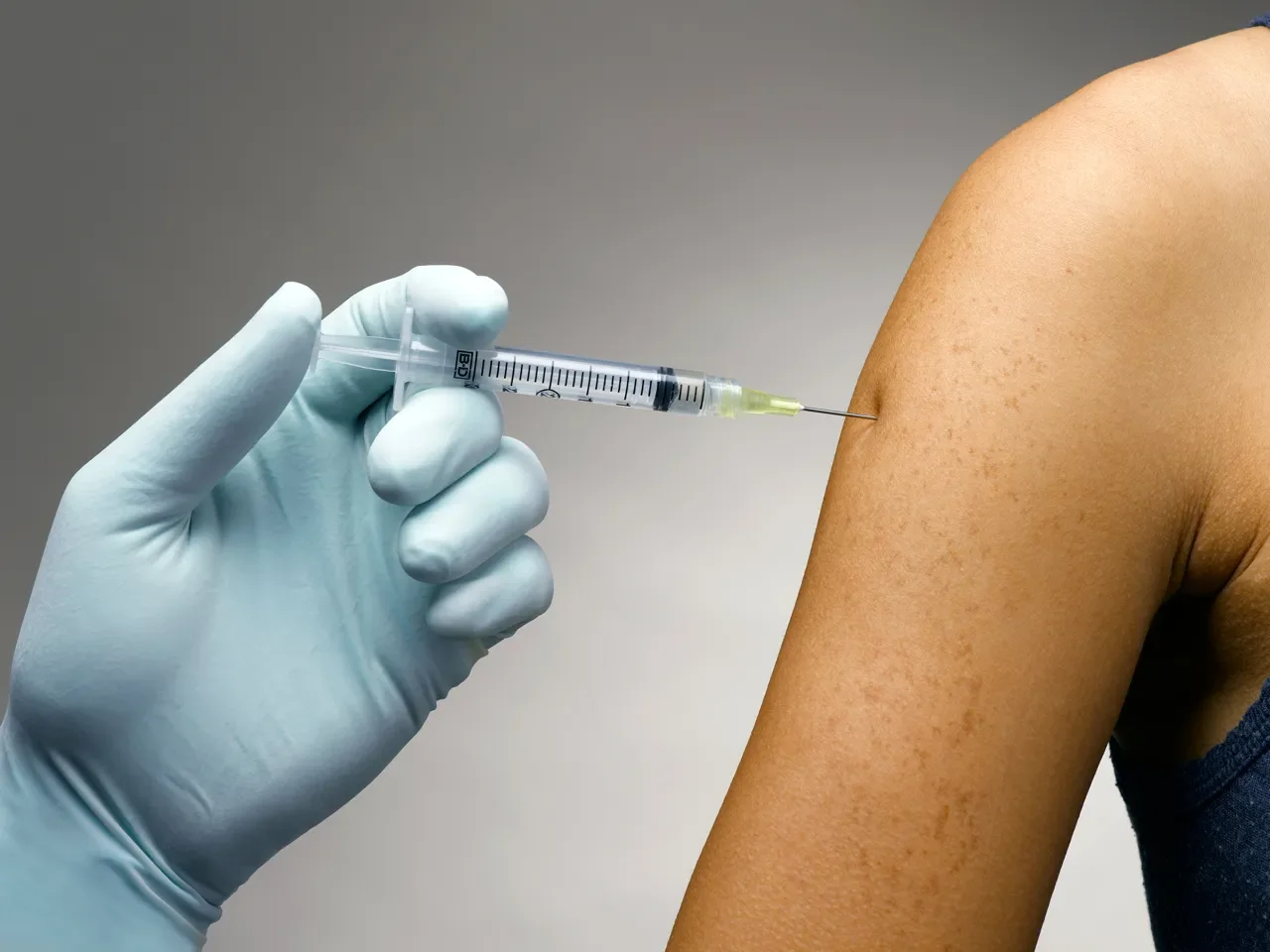
Fortunately, there are numerous ways to minimize your risk of contracting the super flu. Receiving a flu vaccination is the most important step. While it is still possible to contract the flu after receiving a vaccination, receiving a flu vaccine significantly reduces the severity of the symptoms and the length of time that symptoms persist. It is not too late to receive a flu vaccination as the flu season typically lasts until early May. Treating flu symptoms within the first 48 hours of symptom development is essential. Antiviral medications such as Tamiflu are most effective when administered early in the course of illness. These medications can significantly reduce both the severity and duration of illness.
Maintaining cleanliness and avoiding close contact with individuals who have contracted the flu also plays a significant role in reducing the spread of the virus. Basic prevention techniques include washing your hands frequently with soap and water for at least 20 seconds, staying home from work/school when you are ill, and refraining from touching your eyes, nose, and mouth with unwashed hands. Maintaining a clean environment also contributes to minimizing the spread of the virus, which is why many residents of New York are choosing to clean their homes more thoroughly during this particularly severe flu season. Professional cleaning companies, such as Sparkly Maid NYC, are experiencing an increase in requests from families wanting to ensure that they maintain a clean environment, particularly in areas that are subject to frequent contact, such as high-touch surfaces where viruses can reside for extended periods.
What the Statistics Show
The statistics demonstrate just how serious this year's flu season is. At least 41 states are reporting either high or very high levels of influenza activity, and the number of doctor visits for flu-like symptoms is the greatest in almost 30 years, according to CDC data. Annually, an estimated 1,500 to 2,000 New Yorkers lose their lives due to complications arising from seasonal flu and/or pneumonia (NYC Health Department). Last year's flu season was a record-breaking year for pediatric flu deaths, with 289 children in the U.S. dying from the flu. Of those children eligible for a flu vaccination, 89 percent had not received the flu vaccine —a sobering example of the lifesaving capability of vaccination.
Moving Forward
Although the recent decrease in case numbers indicates a slight slowdown in the spread of the flu, health officials caution that the flu season is far from over. Flu activity typically surges again in the spring, and January is historically the peak month for flu activity in New York. The emergency departments in hospitals throughout the city are continuing to operate at or near full capacity, placing additional pressure on an already strained healthcare system.
As stated earlier, the super flu provides an excellent illustration of the seriousness of the flu as a major public health issue that requires immediate and sustained action. Regardless of whether you choose to get vaccinated, practice proper hand hygiene, remain home when sick, or utilize trusted professional cleaning services such as Sparkly Maid NYC to clean and disinfect your home, each step you take to protect yourself and others will contribute to maintaining the health of those around you.
Sources:
AM New York. "2026 Rolls in with a Spike in NYC Flu Cases." AM New York, 2 Jan. 2026
Branswell, Helen. "Flu Season 2026: Welcome to the Winter of Subclade K." STAT, 6 Jan. 2026
New York City Department of Health and Mental Hygiene. "NYC Health Department Releases New Data Showing More Than 136,000 Flu Cases This Respiratory Virus Season." NYC Health, 15 Jan. 2026
New York State Department of Health. "New York State Department of Health Confirms Highest Number of Flu Hospitalizations in a Week." New York State Department of Health, 2 Jan. 2026
NewYork-Presbyterian. "How to Protect Against the 'Super Flu.'" Health Matters, 2 Jan. 2026
TODAY. "A New, Potentially Severe Flu Variant Is Spreading in the US. Watch for These Symptoms." TODAY.com, 12 Jan. 2026
TODAY. "Is the New Flu Variant Causing More Severe Symptoms? Doctors Reveal What They're Seeing." TODAY.com, 13 Jan. 2026
University of Rochester Medical Center. "Flu Season 2026: At-Home Flu Tests, Vaccines, and the Variants to Watch." URMC Newsroom, 14 Jan. 2026
Visit our website:
Move Out Cleaning Service NYC
