How to Avoid Times Square in 2026 with New Pedestrian Zones?
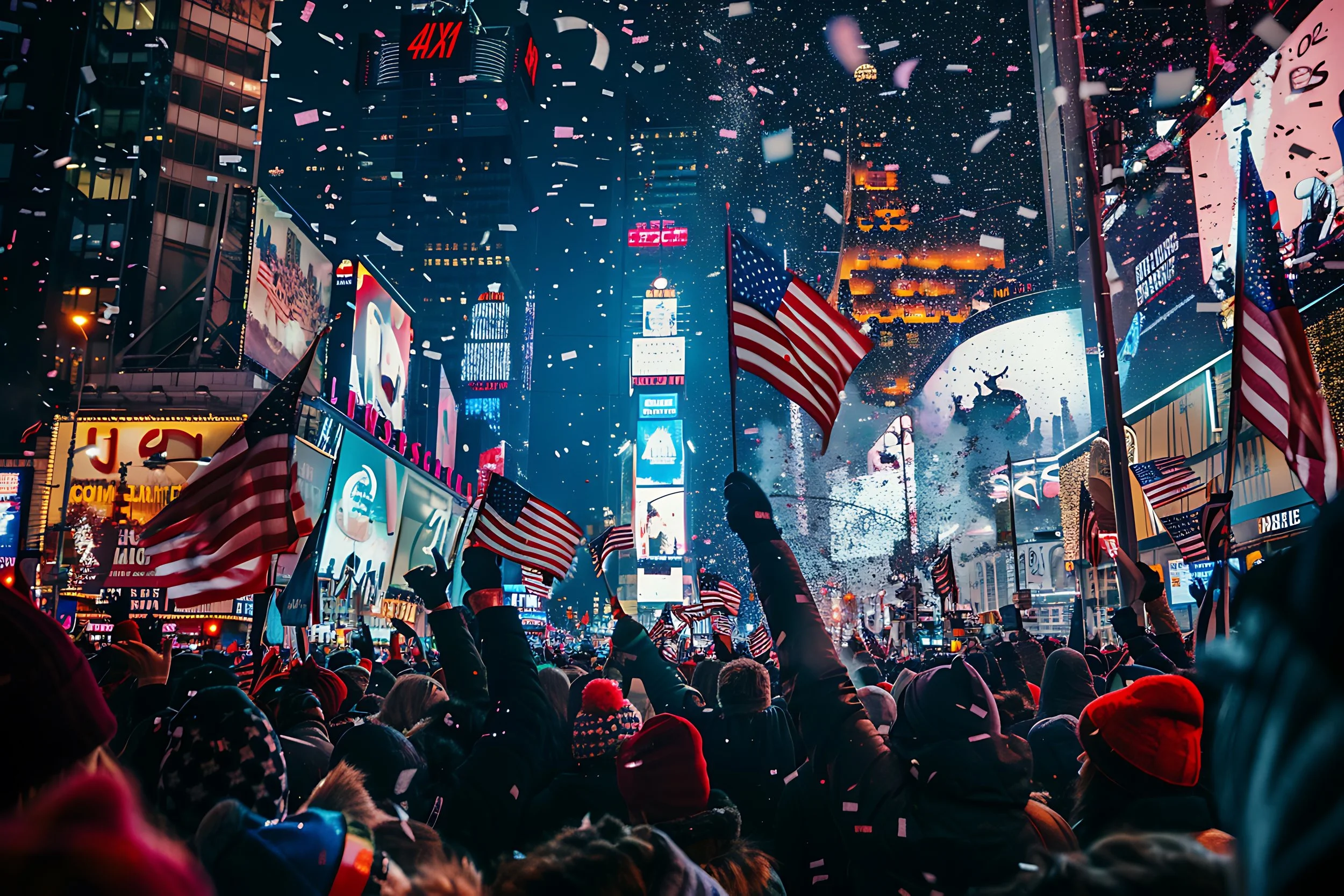
While Times Square was created to allow pedestrians to take over its sidewalks – including a closed section of Broadway between 42nd and 47th Streets – those changes were made when there were fewer than 100,000 visitors to the area each day. Today, that number has grown to more than 220,000 visitors each day, and Times Square expects 68.1 million visitors in 2025 alone. Add in the influx of tourists expected due to the FIFA World Cup and America’s 250th Birthday Celebrations, and the crowds in Times Square are going to be unlike anything we’ve seen before. That’s why you’ll want to read this article, which provides you with a strategic guide to navigating — or completely avoiding — the chaos of Times Square’s pedestrian zones.
Understanding the Pedestrian Zone Reality
Times Square’s pedestrian zones were not built for today’s crowds. In 2009, a section of Broadway between 42nd and 47th Streets was closed to create 174,000 square feet of pedestrian space, according to (Times Square Billboard) may seem like plenty of space, but it currently accommodates 220,000 pedestrians every day, with up to 330,000 people using the area on peak days. In order to get a sense of how crowded the pedestrian zones really are, imagine taking the entire population of Iceland and packing them into an area smaller than most shopping malls.
The pedestrian zones have become natural gathering spots for tourists, but they have also taken away many of the existing escape routes. This means that while the crowds do seem to be everywhere, they are indeed a reality and growing every year.
Best Times to Visit (If You Must)
The key to navigating Times Square is timing. As stated in (CityPASS research), the best time to visit Times Square is in the early morning hours between 5-10 A.M., or in the late evening after 11 P.M. (RiseNY’s local guide) suggests that getting to Times Square before 10 A.M. allows you to walk down the street and capture photos of the iconic billboards without being interrupted by other tourists.
While it’s true that visiting Times Square in the late evening (after 9 P.M.) means you won’t encounter the same kind of daytime crowds, it also means you’ll see the neon spectacle of the lights, but during the height of the evening rush from 7-11 P.M. Times Square takes on a lot of the energy associated with big crowds, if you’re comfortable with that level of density.
Also important to keep in mind is the fact that tourist traffic is down 20-30% compared to peak times in late January and throughout February, as reported by (Times Square Billboard). If you can travel to NYC during the off-season, you’ll find that the city is much quieter, and you’ll have a better chance of avoiding the crowds of tourists.
Smart Navigation Strategies for the Pedestrian Zones
There are several ways to navigate Times Square and avoid some of the crowds of tourists that clog the streets. First, many tourists who come to NYC rely heavily on public transportation, so it’s worth noting that (local experts recommend)using one of the 16 different exit points at the Times Square-42nd Street subway station that lead out onto side streets instead of directly onto Broadway, where the crowds tend to be thicker.
Another strategy is to enter the area from a side street. Instead of entering Times Square from Broadway, try coming in from the west on 8th Avenue or the east on 6th Avenue. These routes are less congested than Broadway entrances and provide a safer route into the heart of the pedestrian zone.
Additionally, the 2025 transportation upgrades include the completion of the Second Avenue Subway extension to 42nd Street, which is expected to reduce congestion at the main Times Square Station by approximately 20%, as stated in [the 2025 (Times Square Guide). This upgrade is expected to make it easier for visitors from Brooklyn and Queens to reach Times Square using the new Q train connection.
The Complete Avoidance Strategy
If your goal is to avoid Times Square altogether during the events of 2026, then follow these steps:
Use Alternative Transit Routes: Rather than trying to navigate the crowds of Times Square, consider taking the 6 train on the East side, or the 1/2/3 trains on the West side, when traveling between Midtown destinations. The N/Q/R/W lines run through Times Square, but continue running past it; simply stay on the train until you can transfer somewhere else.
Take Walking Detours: If you need to cross Midtown, use 8th Avenue (West) or 6th Avenue (East) as your North-South corridor. Alternatively, use 57th Street or 34th Street to move East-West across Midtown, as both of these streets are outside of the pedestrian zone.
Consider Alternative Dining and Entertainment Options: Consider Alternative Dining and Entertainment Options: Welcome to Times Square recommends finding dining options and entertainment choices within a two-block radius of Times Square to help avoid the higher-priced restaurants and crowded attractions found closer to Times Square itself. Additionally, food carts placed strategically around the area are great for hungry locals and are efficient for serving food quickly.
To avoid the crowds of tourists, consider attending Off-Broadway productions held in smaller theatres located within walking distance of Times Square. Not only are Off-Broadway tickets usually cheaper than those for bigger Broadway productions, but you’ll also enjoy a more intimate and personal experience without the crowds.
Indoor Refuges When You Can’t Avoid Times Square
Sometimes you can’t avoid Times Square – perhaps you’re attending a performance, meeting with colleagues, or staying in a hotel near the area. When you feel overwhelmed by the crowds of pedestrians in the pedestrian zones, there are always indoor refuges available. (RiseNY) is located at 160 W 45th Street and is a timed entry flying theatre and interactive gallery about the history of New York City – all climate controlled and crowd managed.
Your hotel also has a dining room that can provide a refuge from the crowds of Times Square. Hotel restaurants provide a more relaxed and less crowded dining experience than street-level restaurants. Many tourists ignore hotel dining areas because they believe that they don’t fit their definition of “real” dining experiences, but that doesn’t mean that hotel dining areas aren’t a great place to grab a meal while taking a break from the crowds of tourists.
Museums, such as the Museum of Broadway, and other cultural attractions can also provide an indoor refuge from the crowds of tourists in Times Square. Museums offer air-conditioned environments, restrooms, and structured activities that can limit the crowds of tourists and provide a welcome respite from the crowds of tourists that flood the streets of Times Square.
2026 Considerations
Enhanced crowd management strategies have been implemented in early 2025, including real-time density monitoring via the official Times Square app. This app will provide advance notice of peak periods – typically 15 minutes ahead of time – allowing users to adjust their plans accordingly, according to (the 2025 guide). By downloading the app before your trip to Times Square, you can receive recommended alternate routes.
Professional Maintenance of Your Home is Key to Maintaining a Peaceful Living Environment
Young professionals who live in NYC are likely to be impacted by the crowds of tourists that flood Times Square on a regular basis. Maintaining your home as a peaceful retreat from the hustle and bustle of Times Square requires the same type of strategic thinking that you would use to avoid pedestrian zone crowds. Having your living space professionally maintained can help you maintain a calm and peaceful environment after dealing with large crowds of tourists.
The Bottom Line
Times Square’s pedestrian zones were created to provide pedestrian-only access to what is arguably the busiest public square in the world – and the results speak for themselves. There are many ways to strategically plan your visit to Times Square, and to effectively manage the crowds of tourists that populate the area. Whether you choose to avoid the pedestrian zones altogether, or whether you decide to brave the crowds and experience all that Times Square has to offer, having a solid understanding of the infrastructure, crowd patterns, and escape routes in the area can greatly enhance your overall experience.
Sources:
8 Tips for New York Tourists To Avoid Big Crowds.CityPASS®
A Local's Guide to Beating the Holiday Crowds in Times Square.RiseNY Blog,
Times Square 2026 Guide: Highlights & Survival Tips." StoryHunt,
Times Square Crowd Management: How 50 Million Visitors Navigate Daily.
Times Square Guide 2025: Complete Insider's Guide for NYC Visitors.
Read More:
Where to get the best pizza slice in NYC under $5 in 2026
How Much Do You Really Need to Earn to Live Comfortably in NYC in 2026?
Where Are the Best Hidden Gem Neighborhoods in NYC to Live in 2026?
